


Description
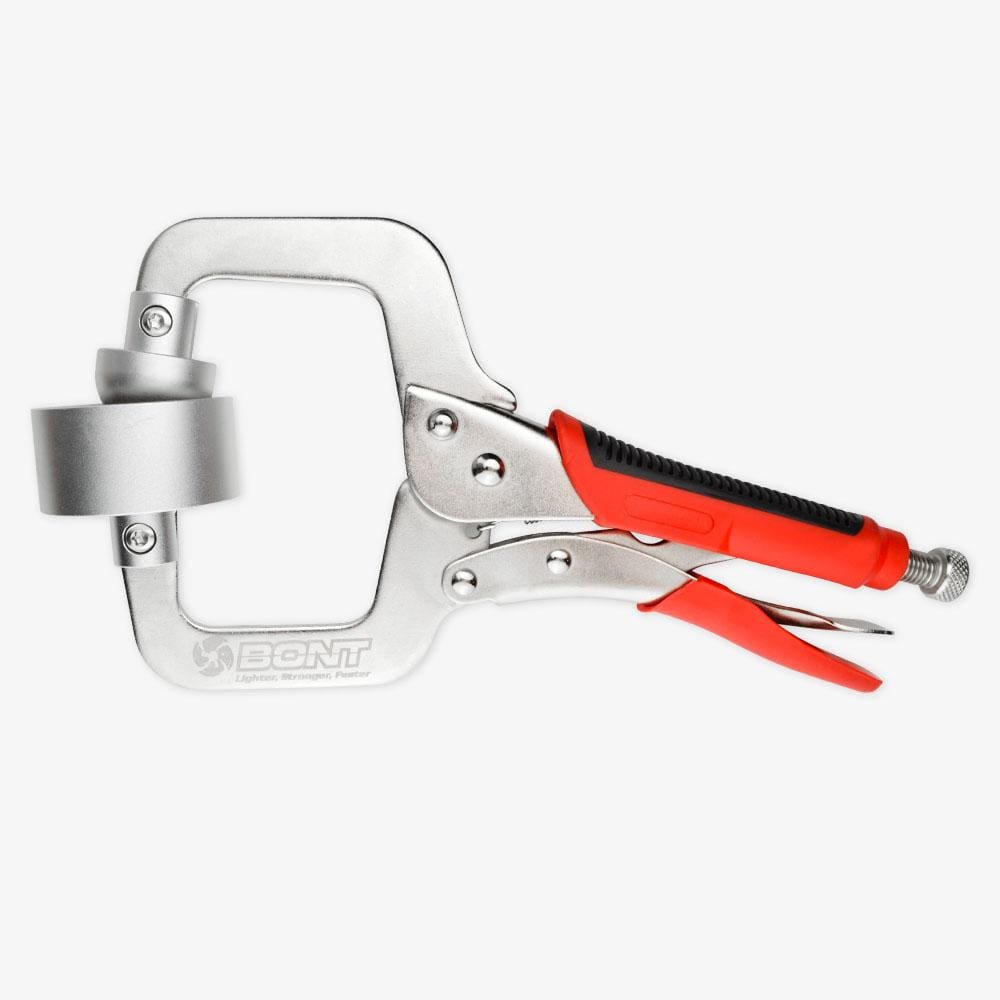
Bont Rip Jaws is a skate boot hot spot removal tool designed to stretch a specific area of discomfort for a more comfortable fit. It is particularly useful around the heel of carbon inline skates, ice speed skates, and roller skates, and can also be used with figure skates and ice hockey skates. Originally developed by Bont in 1976 for shops and distributors, this specialist boot-fitting tool is now available to skaters.
Key Product Points
- Target the problem area: Stretch a localized hot spot where the boot presses against your foot.
- Designed for skate boots: Particularly useful for heel hot spots in carbon inline, ice speed, and roller skate boots.
- Adjustable opening: The knob at the end of the handle lets you open the jaws and adjust the tool around the selected area.
- Lock while the boot cools: Close the handles to hold the tool in position during the cooling stage.
- Bont fitting experience since 1976: A practical tool originally supplied to skate shops and distributors.
Make room where your boot needs it

A well-fitting skate boot can still have one area that presses uncomfortably against your foot. You may be happy with the overall fit, yet notice the same small spot every time you skate. Rip Jaws is designed for this localized fitting problem: it stretches the area of discomfort to give your foot more room at that point.
This is especially relevant to carbon fiber and fiberglass boots, which have a thin layer of padding between the foot and the hard shell. When one part of that shell puts pressure on the foot, the limited padding may not be enough to make it comfortable. A hot spot can become distracting during a session and may contribute to blistering. Addressing the shape at the problem area can help improve how the boot feels.
A focused adjustment to your skate fit
The purpose of this boot stretching tool is to work on a specific location. First identify where the discomfort occurs, then position the jaws at the corresponding area of the boot. That connection between the pressure point on your foot and the location on the shell is the starting point for a useful adjustment.
Rip Jaws is a fitting tool, so the result depends on the boot, the location of the hot spot, and how the adjustment is carried out. Follow the boot manufacturer's heat-molding guidance and reassess the fit after the boot has cooled. If you are unsure whether a particular boot or area is suitable for stretching, ask the boot manufacturer or an experienced skate fitter before beginning.
Adjust, position, and lock
The knob at the end of the handle adjusts how far the jaws open. Open the tool wide enough to place it over the problem area, then use the same knob to tighten the screw. Pulling the handles together locks the tool in place while the warmed boot cools.
This gives the fitting process a clear sequence: prepare the boot, warm it as instructed, position the tool, and allow the area to cool before releasing it. The demonstration below shows how the tool sits on a boot and how the handles close.
Who is this tool for?
Rip Jaws is for skaters and skate fitters working on localized boot discomfort. It was designed particularly for heel hot spots in carbon inline skates, ice speed skates, and roller skates. It also works for figure skates and ice hockey skates, with the appropriate preparation for the particular boot.
For an inline speed skate or ice speed skate with a firm shell and minimal padding, even a small uncomfortable area can be noticeable. Roller skaters can encounter the same issue when the boot shape presses against one part of the foot. The tool provides a way to address that area as part of the fitting process.
Different skate boots use different constructions and heat-molding methods. Do not assume that instructions for one model apply to another. Check the guidance for the boot you are working on, including whether it can be heated and which heating method is appropriate. The tool's application across several skating disciplines does not replace those model-specific instructions.
How to use Rip Jaws
Identify the area of discomfort before you start. Watch the demonstration, have the boot manufacturer's instructions available, and work through the fitting process in order.
- Remove the laces. Take the laces out of the skate before heating and positioning the tool.
- Heat the problem area. Bont's method uses a hairdryer for about five minutes, or an oven according to the boot manufacturer's heat-molding instructions. The manufacturer's guidance for your specific boot takes priority. See Bont's heat-molding instructions for Bont boots.
- Open the jaws. Open Rip Jaws and turn the knob at the end of the handle to create a wide opening.
- Position and adjust. Place the tool over the problem area, then use the same knob to tighten the screw.
- Lock the handles. Pull the handles together so the tool locks in place.
- Allow the boot to cool. Wait a few minutes for the boot to cool, then unlock and remove the tool.
Check the fit after cooling
Once the boot has cooled and the tool has been removed, reassess the area you adjusted. The process can be repeated if needed. Keep the focus on the original hot spot so that each assessment tells you whether that particular area feels more comfortable.
If you already have a blister or a painful spot on your foot, let it heal before testing the result. An unhealed area may still hurt even after the boot has been adjusted, making it difficult to judge whether more stretching is necessary. Giving your foot time to recover helps you assess the fit more clearly.
Watch the fitting demonstration
See the tool positioned on a skate boot, the adjustment knob in use, and the handles closing to lock the jaws. Use the video alongside the written steps and the heat-molding instructions for your boot.
A Bont fitting tool since 1976
Bont invented Rip Jaws in 1976 and supplied it to shops and distributors over the years. Making it available to skaters brings that same practical approach to individual boot fitting: identify the uncomfortable area, prepare the boot correctly, and adjust the shape where it is needed.
Comfort starts with a suitable boot and a good overall fit. When a localized hot spot needs attention, Rip Jaws gives you a dedicated tool for that next fitting step. Add it to your skate-fitting equipment and follow the demonstration to learn how to work on your boot's problem area.
Technical Specifications
- Product: Bont Rip Jaws boot hot spot removal tool.
- Function: Localized skate boot stretching.
- Primary application: Heel hot spots in carbon inline skates, ice speed skates, and roller skates.
- Additional applications: Figure skates and ice hockey skates.
- Adjustment: Knob at the end of the handle to open the jaws and tighten the screw.
- Locking action: Handles close together to lock the tool in place.
- Boot preparation: Heating according to the boot manufacturer's heat-molding instructions.
Frequently Asked Questions
What is a hot spot in a skate boot?
A hot spot is a localized area of discomfort where the boot presses against your foot. In carbon fiber and fiberglass boots, there is only a thin layer of padding between the foot and the hard shell. Rip Jaws stretches the problem area to help improve the fit.
Which skates can I use Rip Jaws with?
It is designed particularly for heel hot spots in carbon inline skates, ice speed skates, and roller skates. It also works for figure skates and ice hockey skates. Check your boot manufacturer's instructions before heating or stretching a specific model.
Can I repeat the process if the hot spot remains?
Yes, the process can be repeated if needed. Allow the boot to cool before assessing the fit, and let any blister or painful area on your foot heal before retesting so you can judge the adjustment accurately.